Uncategorized / 14.07.2025
Wild Rituals – book draft.

...


The process of developing this exposition begins not with walls or lighting plans, but with questions: what should be felt, not just seen? How can space become a medium for reflection, ritual, and transformation? At the core of this layout is the table, not merely a display surface, but an active, living site of encounter. It is where food, memory, and material presence converge. In my work, food is more than sustenance or metaphor; it is a sculptural and sensory language that speaks to ancestral knowledge, ecological cycles, and cultural memory. The table becomes a centre of gravity around which the...

“Leśnia” is not a representation of the forest; it is the forest, reimagined as an immersive, sensory-driven installation that collapses the boundary between art and environment. Through the interplay of light, scent, sound, and material presence, it invites not just observation but participation. The forest becomes a living medium, a co-creator of atmosphere and perception. What struck me most was the way this installation activated embodied memory. As light filtered through translucent layers and the air filled with the scent of moss, earth, and green growth, I found myself slipping into a state of slowed attention. It was no longer about...
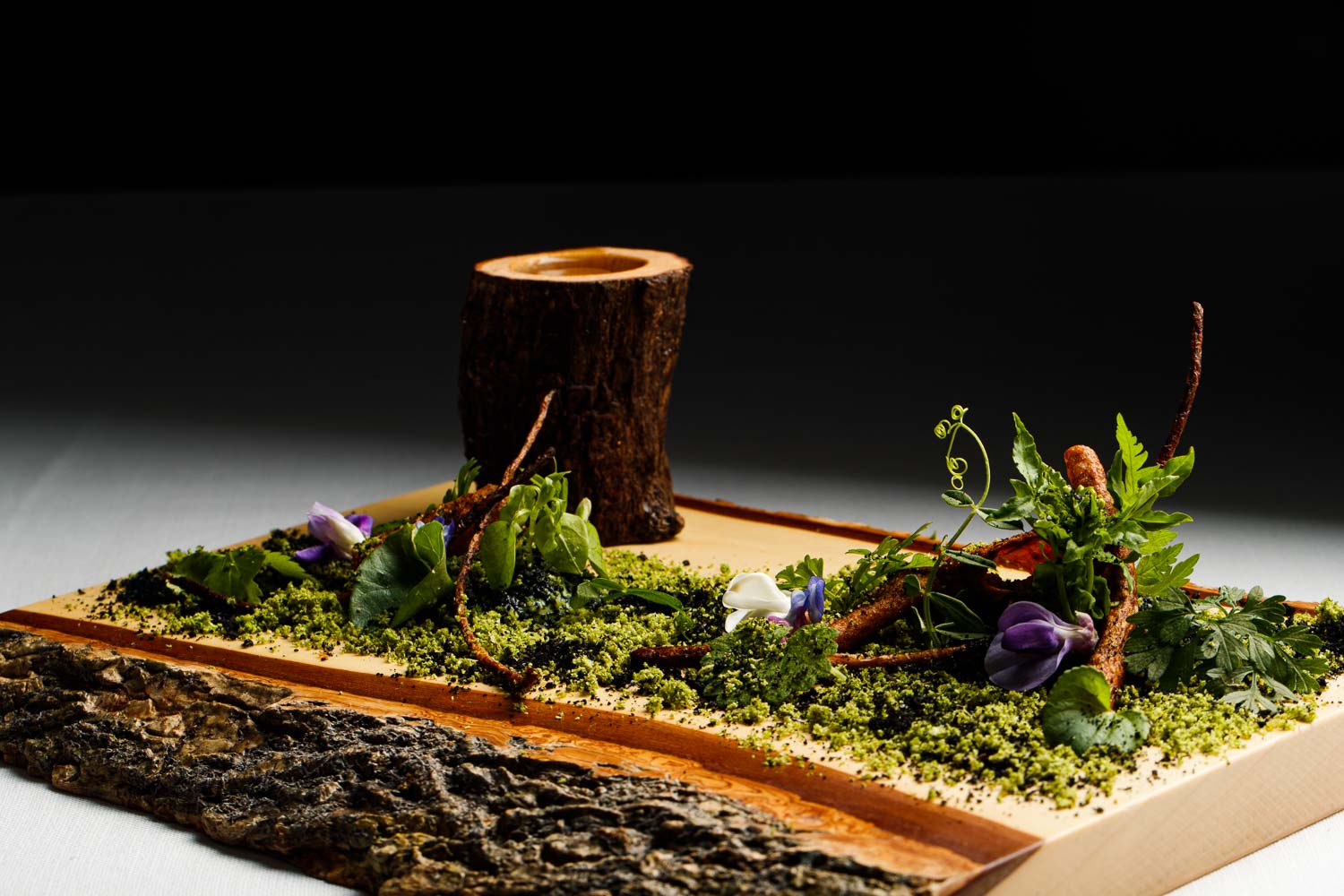
Yoshihiro Narisawa, the owner-chef of restaurant NARISAWA in Minami-Aoyama, Tokyo, is one of Japan’s world-class chefs and an artist dedicated to crafting a variety of innovative food creations.For more than 20 years, Narisawa has been focused on the culture found in rural foothill villages of Japan, called satoyama culture, where people coexist closely with nature. He explores the rich food culture and the ancestral wisdom passed down there, and expresses it through his uniquely creative cooking style—establishing a new genre he calls “innovative satoyama cuisine.” His work demonstrates his philosophy of “beneficial and sustainable gastronomy,” environmentally-conscious gourmet dining that shows...